Transmission Controller Testing & Repair

Having problems with automatic gearbox faults, harsh gear changes, limp mode or a transmission warning light?

Freestorm tests and repairs transmission controllers, also known as TCU, TCM, transmission ECU or gearbox ECU units, for many vehicle makes and models.

If your car is sticking in gear, losing drive, showing PRNDS faults, failing to select reverse, changing gear badly or showing transmission fault codes, send us your vehicle details and we’ll help check the best repair option.

  • TCU / TCM Repair

    Testing and repair for common transmission control module and gearbox ECU faults

  • Fault Code Help

    Send us your diagnostic codes, symptoms and part number before booking

  • Repair First

    A repair may save the cost of a new transmission controller

  • 5-10 Working Days

    Typical turnaround from receipt of the unit

  • Customer Support

    We help with part numbers, booking, delivery and updates

What is a transmission controller?

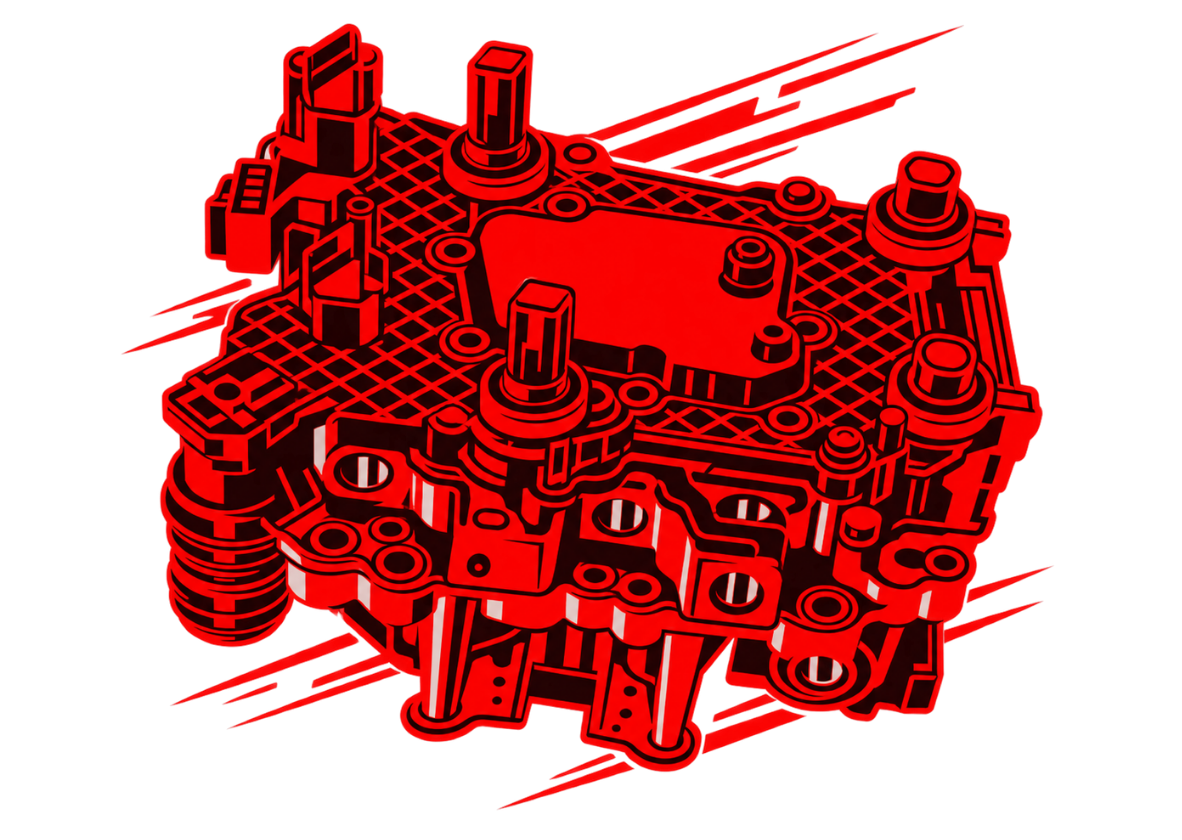
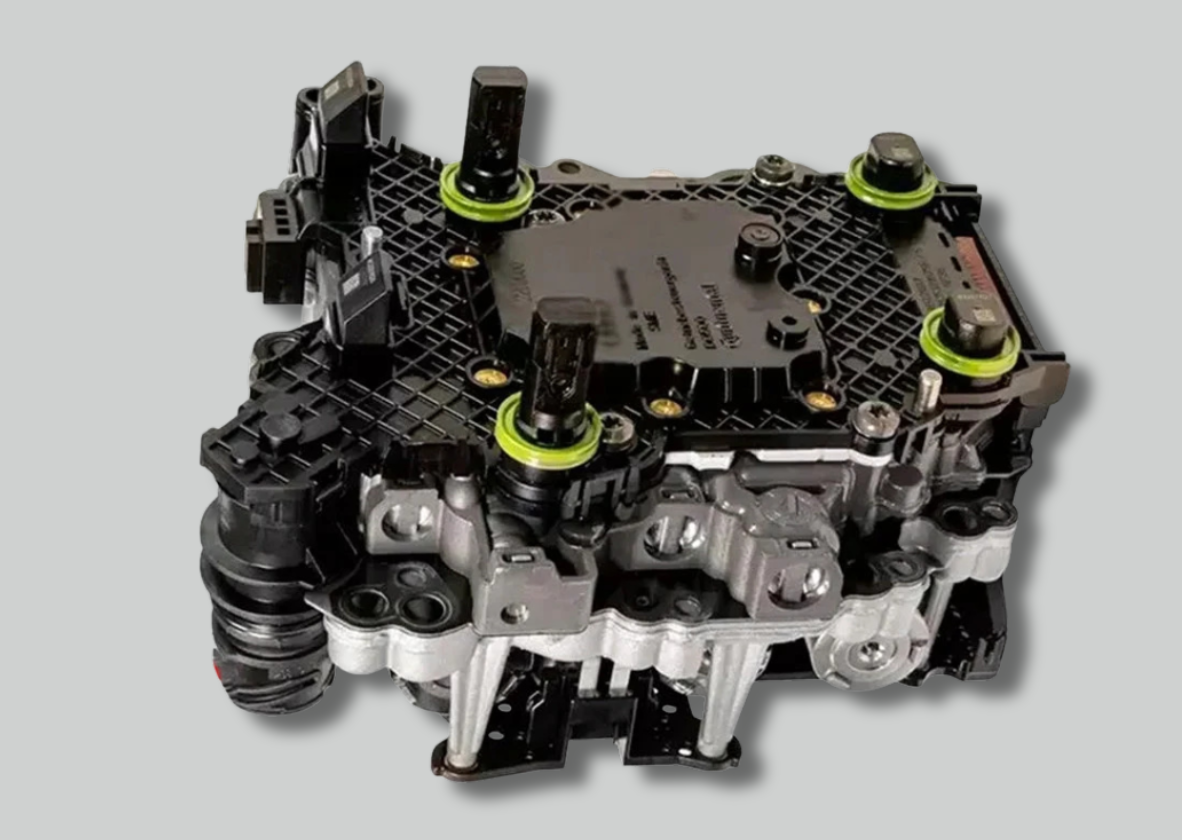
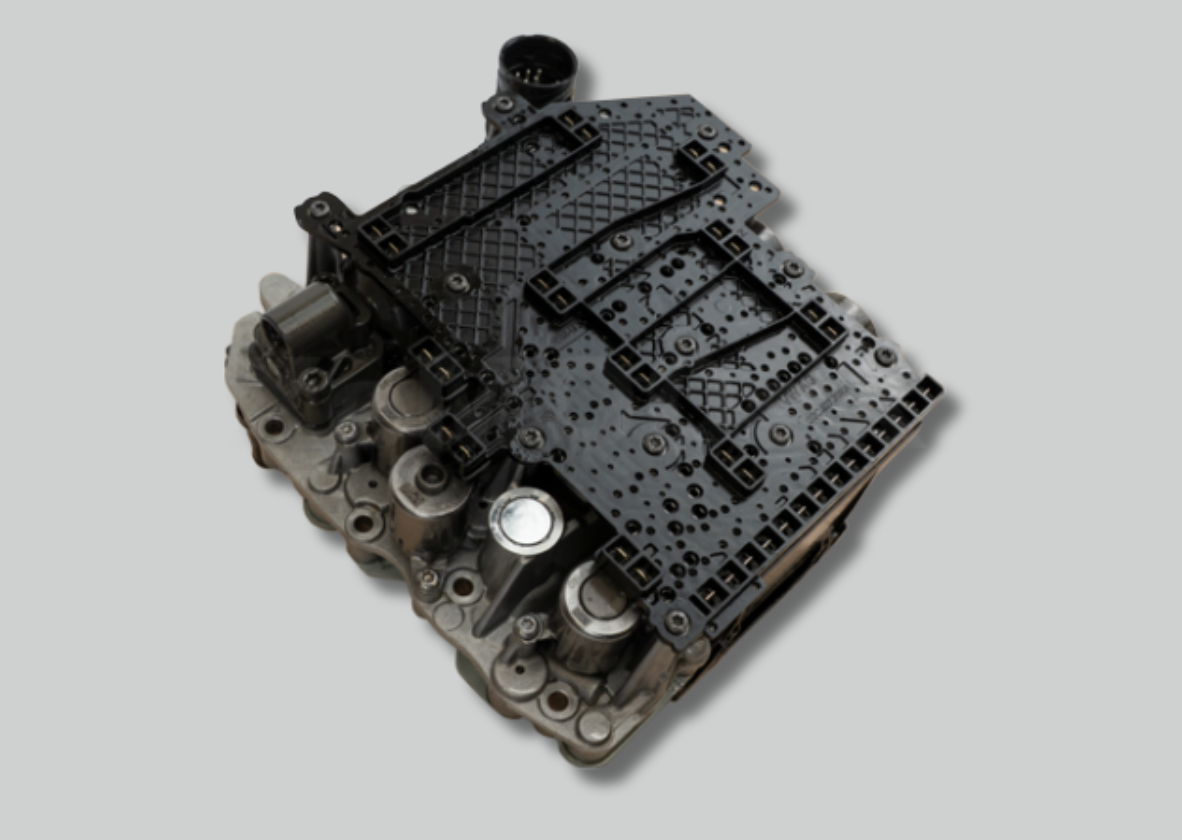
A transmission controller is the electronic unit that helps control an automatic, semi-automatic, CVT or automated manual gearbox. It may also be called a TCU, TCM, transmission ECU or gearbox ECU.

The transmission controller uses information from the engine, gearbox, wheel speed sensors, gear selector and other vehicle systems. It then decides when and how the gearbox should change gear.

Depending on the vehicle, the controller may manage gear shifts, gearbox pressure, clutch operation, solenoids, speed sensors, temperature sensors and communication with the engine ECU.

When the transmission controller fails, the car may change gear badly, get stuck in gear, go into limp mode, lose drive, fail to select reverse or show gearbox warning messages.

Why transmission controller faults should be checked

A faulty transmission controller can affect how the gearbox selects gears and how the car drives. The vehicle may still move, but the gear changes can become harsh, delayed or unpredictable.

In some cases, the car may go into limp mode, stay in one gear, refuse to select Drive or Reverse, or fail to start if the gearbox position cannot be confirmed.

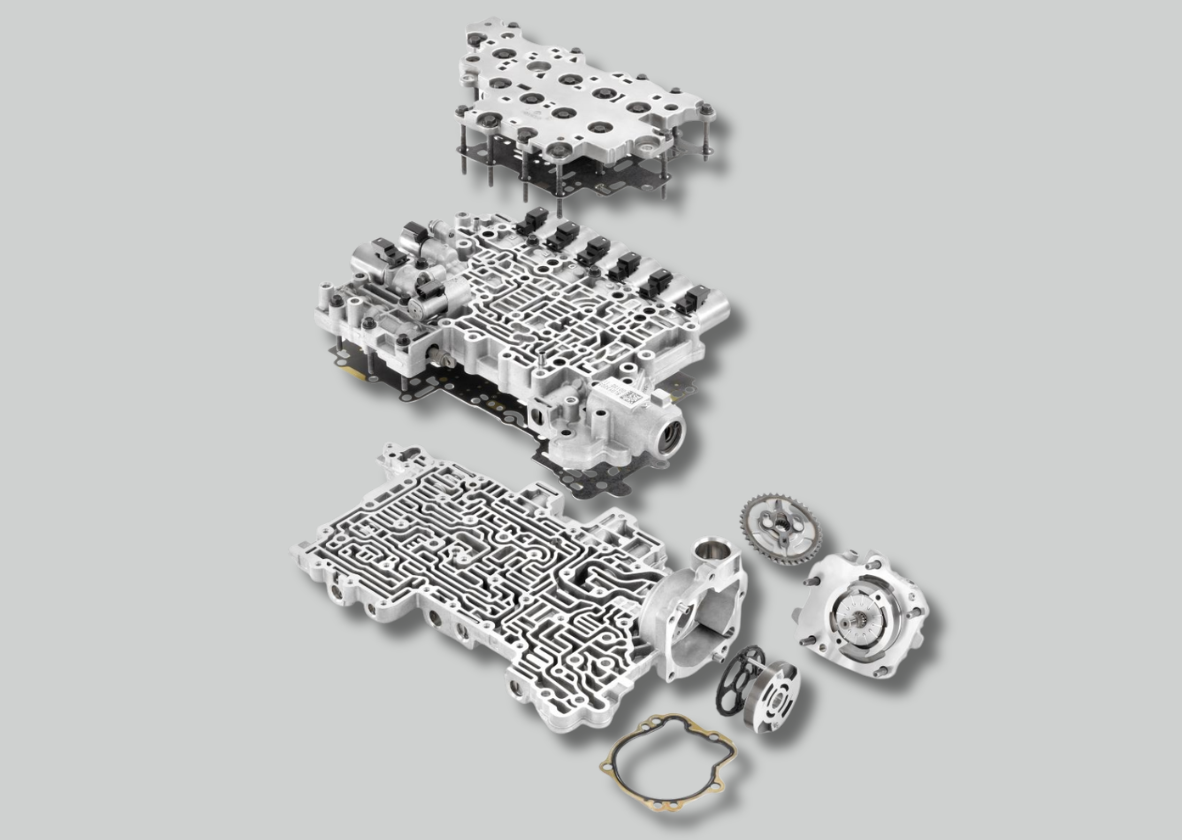
Transmission faults can be confusing because the same symptoms can also come from other problems, such as low gearbox oil, worn clutches, valve body faults, solenoid faults, wiring issues, gear selector faults, speed sensor faults or internal mechanical gearbox damage.

That is why it is better to test the unit instead of replacing parts by guesswork.

Remanufacturing is more than repair

Remanufacturing is a structured industrial process that returns used parts (cores) to reliable working condition through inspection, replacement of worn parts, rebuilding and testing.


Repair / Remanufacture your own unit

Best when:

The original transmission controller, TCU, TCM or gearbox ECU can be tested and repaired.

Benefits:

  • Keeps the original unit from the vehicle
  • Can be cheaper than buying a new gearbox ECU
  • May avoid coding or programming issues
  • May avoid compatibility problems with used parts
  • Good option when the fault is inside the controller
  • Typical turnaround: around 5-10 working days from receipt
Book Repair

New / Remanufactured replacement unit

Best when:

The original unit is badly damaged, burned, heavily corroded, physically broken, oil-damaged or not suitable for repair.

Benefits:

  • New transmission controllers can be expensive
  • Used units may have unknown faults or coding issues
  • Some units are matched to the vehicle
  • Some cars need coding, programming, adaptation or basic settings after fitting
  • A replacement will not fix the issue if the real fault is gearbox oil, wiring, solenoids, clutch wear, speed sensors or mechanical gearbox damage
Ask us before replacing

In many cases, testing the original unit is the best first step. If the transmission controller is too damaged to repair, we’ll let you know.

Common transmission controller symptoms

Transmission controller faults can show up in different ways. The fault may be constant or it may come and go.

Harsh or jerky gear changes

The car may bang into gear, change gear aggressively or feel rough when shifting

Gearbox warning message

The dashboard may show a gearbox, transmission or “visit workshop” warning

PRNDS flashing

The gear display may flash, disappear or show incorrect gear information

Stuck in gear

The gearbox may hold one gear and refuse to shift normally

Dropping out of gear

The car may suddenly lose gear engagement or feel like it has gone into neutral

No Drive selection

The car may not engage Drive when selected

No Reverse selection

Reverse may not engage, or the car may delay before selecting reverse

Limp mode / safe mode

The gearbox may limit operation to protect the transmission

Loss of power

The car may feel weak because the gearbox is not operating correctly

No start / start issue

Some vehicles may not start if the transmission controller cannot confirm the correct gear or neutral position

No communication with TCU / TCM

Diagnostic equipment may not communicate with the transmission controller

Fault codes return after clearing

Transmission faults may clear for a short time but come back after driving

Common fault codes linked to transmission controller problems

Fault codes depend on the vehicle, gearbox type and diagnostic tool. These are common examples only. They should not be used as a final diagnosis without testing.

P0700 – Transmission Control System Malfunction

This is a general transmission fault code. It usually means the transmission system has stored more specific fault codes that need to be read

P0606 – Control Module Processor Fault

May point to an internal ECU or controller fault

P0613 – TCM Processor Fault

Can indicate an internal transmission control module problem

P0705 – Transmission Range Sensor Circuit Fault

The vehicle may not be detecting the selected gear range correctly

P0715 – Input / Turbine Speed Sensor Circuit

Can relate to gearbox speed sensor signals or internal transmission controller faults, depending on the vehicle

P0720 – Output Speed Sensor Circuit

May point to output speed sensor signal faults, wiring or controller-related issues

P0730 – Incorrect Gear Ratio

The gearbox is not seeing the expected ratio between input and output speed

P0748 – Pressure Control Solenoid Electrical

Can relate to pressure control solenoid circuits, wiring or internal controller output faults

P0750 / P0755 – Shift Solenoid Faults

May indicate a solenoid, wiring, valve body or controller output problem

P0868 – Transmission Fluid Pressure Low

May relate to pressure control, gearbox oil, internal gearbox condition or controller command issues

U0101 – Lost Communication With Transmission Control Module

The vehicle cannot communicate correctly with the TCU / TCM

Manufacturer-specific gearbox ECU faults

Some diagnostic tools may show faults such as control unit defective, internal speed sensor fault, conductor plate fault, transmission ECU fault or selector range implausible

What to do before sending your transmission controller

Before sending the unit, please collect as much information as you can. This helps us check the fault faster and avoid delays.

  • Vehicle make, model and year
  • Registration or VIN, if available
  • Gearbox type, if known
  • Transmission controller / TCU / TCM part number
  • Photo of the unit label
  • Diagnostic fault codes or report
  • Description of the problem
  • Whether the fault is constant or intermittent
  • Whether the car selects Drive and Reverse
  • Whether the gearbox is stuck in gear
  • Whether the PRNDS display is flashing
  • Whether the car goes into limp mode
  • Whether the fault happens hot, cold or all the time
  • Any recent gearbox oil service, battery work, coding or gearbox repair
  • Any signs of oil, water or connector damage on the unit

Will the transmission controller need coding after repair?

This depends on the vehicle and the type of transmission controller.

In many cases, repairing the original TCU / TCM can help keep the original coding, configuration and vehicle data. This can make refitting simpler than using a new or used replacement unit.

Some vehicles may still need coding, adaptation, basic settings, clutch learn or gearbox relearn after the unit is refitted.

Checked, repaired and returned

Freestorm handles the transmission controller testing and repair process from start to finish. We check the details, review the fault information, confirm the next steps and keep you updated.

  • Vehicle and part details checked
  • Fault codes and symptoms reviewed
  • Unit tested before repair is confirmed
  • Repair carried out where suitable
  • Coding or adaptation requirements reviewed where relevant
  • Repair information provided where applicable
  • Support available after refitting

Typical turnaround

Typical repair time: 5-10 working days from receipt of unit.

Typical turnaround is approximately 5-10 working days from receipt of the unit.

This can depend on the fault, testing time, repair work required, parts availability and courier times. We’ll update you if extra time is needed.

How the Service Works

  1. Book your repair

    Fill in the booking form with your vehicle, part number and fault details

  2. Send us your unit

    We confirm what to send and provide delivery instructions. Pack the unit securely and include your booking details

  3. Testing & Repair

    Your transmission controller is tested and repaired where suitable. If repair is not suitable, we’ll advise you

  4. Return ready for refit

    Your unit is returned with repair notes and warranty information where applicable

Book Repair

Suitable for many vehicle makes & models

Freestorm can help with ABS faults across many common vehicle makes and models.

  • Audi
  • BMW
  • Ford
  • Mercedes-Benz
  • Volkswagen
  • Peugeot
  • Chery
  • Toyota
  • Volvo
  • and more

Frequently asked questions

How long does transmission controller repair take?

Typical turnaround is approximately 5–10 working days from receipt of the unit, depending on the fault and repair requirements.

Do I need to send the whole gearbox?

No, usually not. In most cases, the transmission controller, TCU, TCM, gearbox ECU or conductor plate is removed and sent separately. Send us a photo of the part and we’ll confirm what is required.

Can you tell me if my transmission controller is repairable before I send it?

We can often advise from the fault codes, symptoms and part number, but final confirmation may require testing.

Is the repair guaranteed?

Warranty depends on the part type and repair carried out. We will confirm the applicable warranty before or after assessment.

What information should I provide?

Please send the vehicle make, model, year, gearbox type if known, registration/VIN if available, part number, fault codes and symptoms.

Can a transmission controller fault cause limp mode?

Yes. If the gearbox control system detects a serious fault, the car may go into limp mode or safe mode.

Can a TCU / TCM fault stop the car from starting?

Yes, on some vehicles. If the car cannot confirm the correct gear position or gearbox status, it may prevent the engine from starting.

Does harsh gear change always mean the TCU is faulty?

No. Harsh gear changes can also be caused by gearbox oil level or condition, valve body faults, solenoids, clutch wear, speed sensors, wiring or mechanical gearbox problems.

Will the transmission controller need coding after repair?

This depends on the vehicle. Repairing the original unit may help keep the original coding, but some vehicles may still need coding, adaptation, basic settings or gearbox relearn after refitting.

What is the difference between TCU, TCM and gearbox ECU?

They are different names often used for the transmission control unit. Depending on the manufacturer, it may be called a TCU, TCM, transmission ECU, gearbox ECU or transmission control module.

Can PRNDS flashing be caused by a transmission controller fault?

Yes, PRNDS flashing can be linked to transmission controller, mechatronic, selector, wiring or gearbox faults. Diagnostics are needed to confirm the cause.

Need help with a transmission controller fault?

Send us your vehicle details, part number, fault codes or symptoms and we’ll help check whether transmission controller testing and repair is the right option.