Turbo Actuator Testing & Repair

Having problems with loss of power, limp mode, boost pressure faults or an engine warning light?

Freestorm tests and repairs electronic turbo actuators for many vehicle makes and models.

If your car has poor acceleration, intermittent power loss, turbo boost fault codes, glow plug light flashing or turbo actuator faults that keep coming back, send us your vehicle details and we’ll help check the best repair option.

  • Turbo Actuator Repair

    Testing and repair for common electronic turbo actuator faults

  • Fault Code Help

    Send us your diagnostic codes, symptoms and part number before booking

  • Repair First

    A repair may save the cost of a new turbo or actuator

  • 5-10 Working Days

    Typical turnaround from receipt of the unit

  • Customer Support

    We help with part numbers, booking, delivery and updates

What is a turbo actuator?

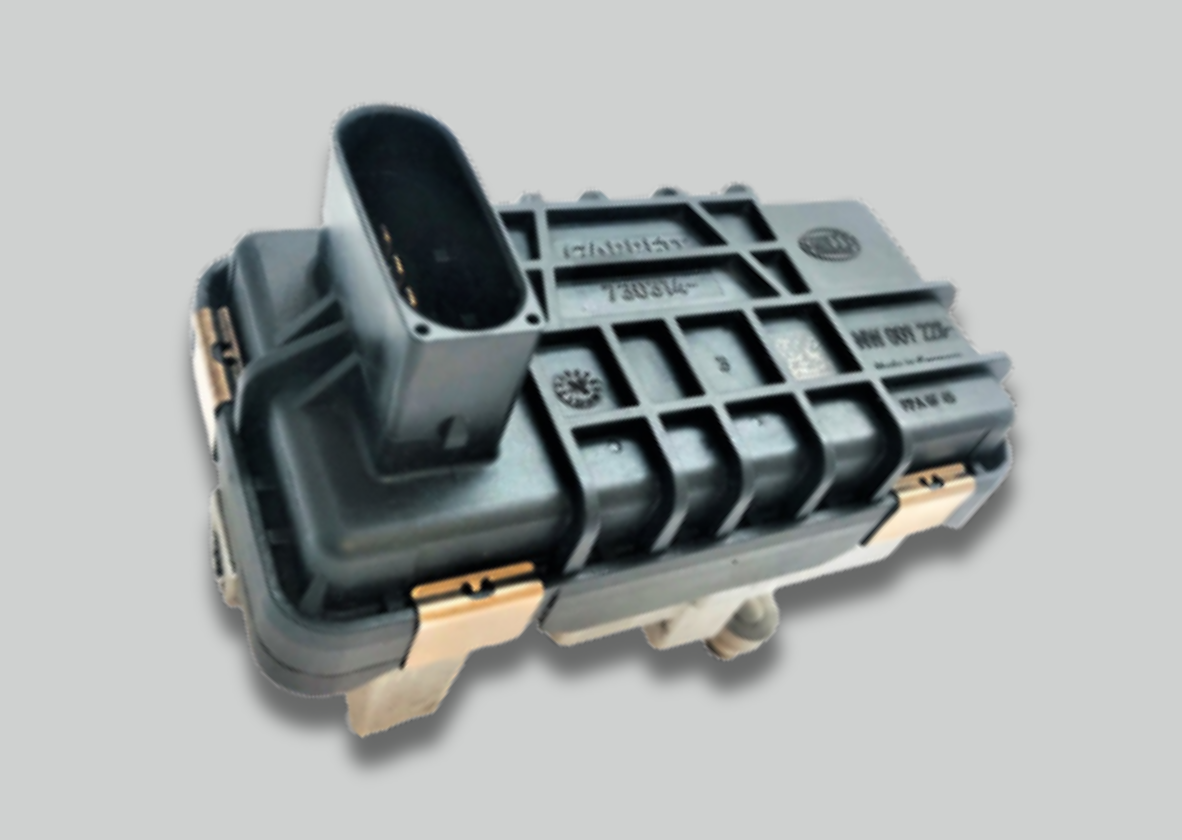
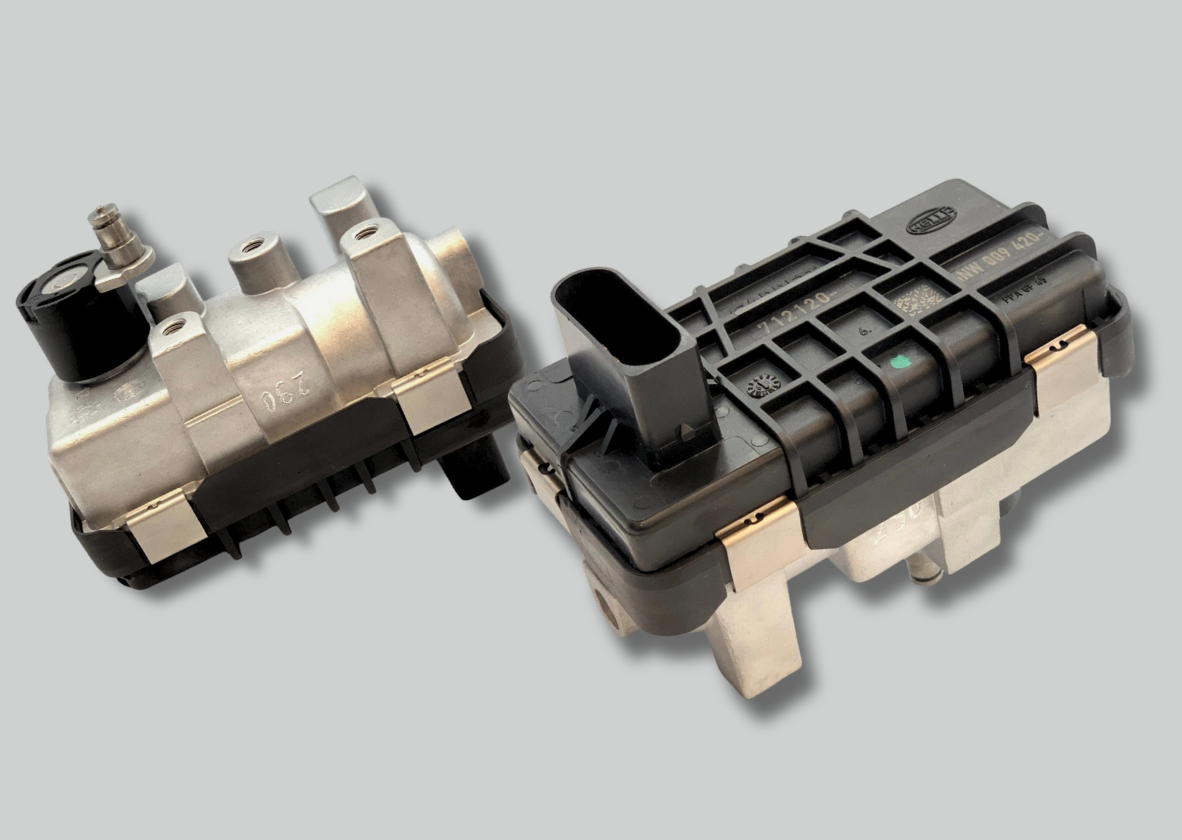
A turbo actuator controls the movement of the turbocharger vanes or wastegate, depending on the turbo type. Its job is to help control boost pressure so the engine gets the right amount of air.

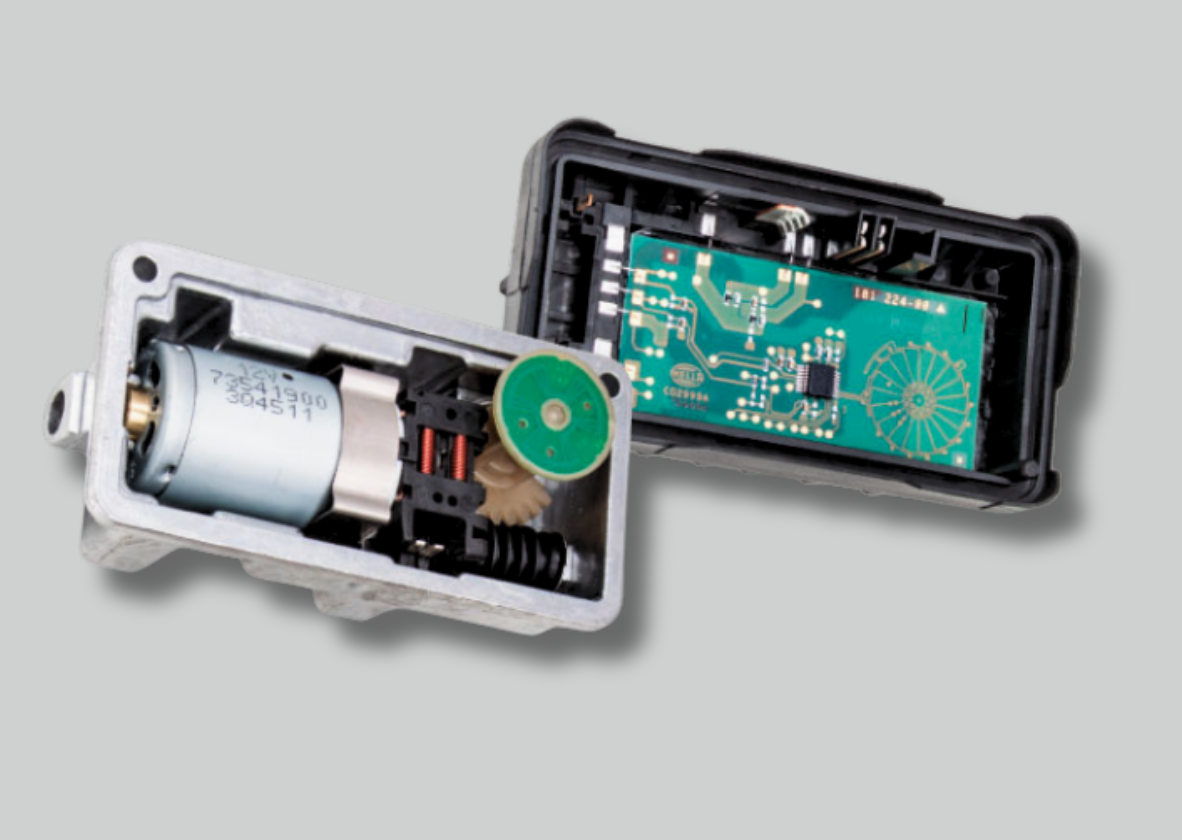
On many modern diesel and petrol engines, the turbo actuator is electronic. It can include a motor, position sensor, gears and internal electronics. The engine ECU commands the actuator to move, and the actuator reports its position back to the ECU.

When the turbo actuator fails, the turbo may not control boost correctly. The car may lose power, go into limp mode, show boost pressure fault codes or bring on the engine management light.

Why turbo actuator faults should be checked

A faulty turbo actuator can affect engine power and boost control. The car may still drive, but it can feel weak, slow or restricted.

In some cases, the fault is intermittent at first. The car may drive normally one day and then suddenly lose power or go into limp mode the next. If the fault gets worse, power loss may become permanent.

Turbo actuator faults can also be confusing because the same symptoms can be caused by other problems, such as vacuum leaks, boost leaks, sticking turbo vanes, wiring faults, MAP sensor faults, EGR problems, DPF issues or turbocharger wear.

That is why it is better to test the actuator instead of replacing the turbo or other parts by guesswork.

Remanufacturing is more than repair


Repair / Remanufacture your own unit

Best when:

The original electronic turbo actuator can be tested and repaired

Benefits:

  • Keeps the original unit from the vehicle
  • Can be cheaper than buying a new turbocharger
  • May avoid replacing the full turbo when only the actuator is faulty
  • May avoid compatibility problems with used parts
  • Good option when the fault is inside the actuator
  • Typical turnaround: around 5-10 working days from receipt
Book Repair

New / Remanufactured replacement unit

Best when:

The original actuator is badly damaged, broken, burned, heavily corroded, water-damaged or not suitable for repair

Benefits:

  • A full turbo replacement can be expensive
  • Used actuators may already have wear or electronic faults
  • Some actuators must be matched or set up correctly to the turbo
  • Some vehicles may need calibration or diagnostic checks after fitting
  • A replacement will not fix the issue if the real fault is wiring, boost leak, vacuum fault, MAP sensor, EGR, DPF or mechanical turbo problem
Ask us before replacing

In many cases, testing the original actuator is the best first step. If the actuator is too damaged to repair, we’ll let you know.

Common turbo actuator symptoms

Turbo actuator faults can show up in different ways. The fault may be constant or it may come and go.

Loss of power

The car feels weak, slow or restricted when accelerating

Limp mode

The engine limits power to protect the vehicle when it detects a boost control fault

Engine management light on

The check engine light or engine warning message may appear on the dashboard

Glow plug light flashing

On some diesel vehicles, a flashing glow plug light can appear with turbo actuator or boost control faults

Poor acceleration

The car may hesitate, feel flat or fail to pull properly under load

Intermittent boost fault

The car may drive normally sometimes, then suddenly lose power

Turbo actuator fault code

Diagnostics may show actuator position, boost pressure or turbo control faults

Boost pressure too low

The engine is not seeing enough boost pressure compared with what the ECU requested

Boost pressure too high

The turbo may overboost if the actuator or turbo mechanism is not controlling pressure correctly

Fault returns after clearing

The fault code may clear for a short time but come back after driving

Common fault codes linked to turbo actuator problems

Fault codes depend on the vehicle, engine and diagnostic tool. These are common examples only. They should not be used as a final diagnosis without testing.

P2263 – Turbocharger / Supercharger Boost System Performance

The engine is not seeing the expected boost performance. This can be linked to the turbo actuator, boost leaks, turbo vanes, sensors or other boost control issues

P0046 – Turbocharger Boost Control Circuit Range / Performance

The ECU is seeing a boost control or actuator control signal outside the expected range

P0047 – Turbocharger Boost Control Circuit Low

Can point to actuator control, wiring, connector or internal actuator faults

P0234 – Turbocharger Overboost Condition

The turbo is producing more boost than expected. This may be linked to actuator control or sticking turbo vanes

P0299 – Turbocharger Underboost Condition

The engine is not producing enough boost. This may be caused by actuator faults, boost leaks, turbo wear, vacuum faults or sensor issues

P132A / P132B – Turbo actuator / boost control faults

Commonly seen on some Ford diesel applications with turbo actuator problems

P1952 / P1953 – Turbo control module faults

Can appear on some Volkswagen / Touareg applications with turbo control module or actuator faults

Charge air pressure control fault

Some diagnostic tools may show manufacturer-specific boost pressure or charge air pressure control faults

Turbo actuator position fault

The actuator may not be reaching or reporting the position requested by the ECU

What to do before sending your turbo actuator

Before sending the unit, please collect as much information as you can. This helps us check the fault faster and avoid delays.

  • Vehicle make, model and year
  • Registration or VIN, if available
  • Engine size and fuel type
  • Turbo actuator part number
  • Photo of the actuator label
  • Diagnostic fault codes or report
  • Description of the problem
  • Whether the fault is constant or intermittent
  • Whether the car goes into limp mode
  • Whether the car has loss of power
  • Whether the glow plug light or engine light comes on
  • Whether the turbo, actuator or DPF has been worked on before
  • Any recent battery, wiring, intake, EGR, DPF or turbo work

Will the turbo actuator need setup after repair?

This depends on the vehicle and the turbo actuator type.

Some electronic turbo actuators need to be set up, calibrated or checked with diagnostics after they are refitted. The actuator also needs to move correctly with the turbo mechanism, otherwise the same fault may return.

Repairing the original actuator can often make the refit simpler, but the turbo system should still be checked after installation.

Checked, repaired and returned

Freestorm handles the turbo actuator testing and repair process from start to finish. We check the details, review the fault information, confirm the next steps and keep you updated.

  • Vehicle and part details checked
  • Fault codes and symptoms reviewed
  • Unit tested before repair is confirmed
  • Repair carried out where suitable
  • Setup or calibration requirements reviewed where relevant
  • Repair information provided where applicable
  • Support available after refitting

Typical turnaround

Typical repair time: 5-10 working days from receipt of unit.

Typical turnaround is approximately 5-10 working days from receipt of the unit.

This can depend on the fault, testing time, repair work required, parts availability and courier times. We’ll update you if extra time is needed.

How the Service Works

  1. Book your repair

    Fill in the booking form with your vehicle, part number and fault details

  2. Send us your unit

    We confirm what to send and provide delivery instructions. Pack the unit securely and include your booking details

  3. Testing & Repair

    Your turbo actuator is tested and repaired where suitable. If repair is not suitable, we’ll advise you

  4. Return ready for refit

    Your unit is returned with repair notes and warranty information

Book Repair

Suitable for many vehicle makes & models

Freestorm can help with ABS faults across many common vehicle makes and models.

  • Audi
  • BMW
  • Ford
  • Mercedes-Benz
  • Volkswagen
  • Peugeot
  • Chery
  • Toyota
  • Volvo
  • and more

Frequently asked questions

How long does turbo actuator repair take?

Typical turnaround is approximately 5-10 working days from receipt of the unit, depending on the fault and repair requirements.

Do I need to send the whole turbo?

This depends on the vehicle and actuator type. In many cases, the turbo actuator can be removed and sent separately. Send us a photo of the actuator and part number and we’ll confirm what is required.

Can you tell me if my turbo actuator is repairable before I send it?

We can often advise from the fault codes, symptoms and part number, but final confirmation may require testing.

Is the repair guaranteed?

Warranty depends on the part type and repair carried out. We will confirm the applicable warranty before or after assessment.

What information should I provide?

Please send the vehicle make, model, year, engine size, fuel type, registration/VIN if available, part number, fault codes and symptoms.

Can a turbo actuator fault cause limp mode?

Yes. If the ECU cannot control boost pressure correctly, the car may go into limp mode and limit power.

Does loss of power always mean the turbo actuator is faulty?

No. Loss of power can also be caused by boost leaks, vacuum faults, MAP sensor issues, EGR faults, DPF blockage, wiring faults, sticking turbo vanes or mechanical turbo damage.

Can a turbo actuator fault bring on the glow plug light?

Yes, on some diesel vehicles a turbo actuator or boost control fault can trigger a flashing glow plug light.

Will the turbo actuator need calibration after repair?

Some actuators may need setup, calibration or diagnostic checks after refitting. This depends on the vehicle and actuator type.

Can I fit a used turbo actuator instead?

Sometimes, but used actuators can have compatibility issues or existing wear. The actuator also needs to match and move correctly with the turbo. Testing the original unit is often the better first step.

Need help with a turbo actuator fault?

Send us your vehicle details, part number, fault codes or symptoms and we’ll help check whether turbo actuator testing and repair is the right option.