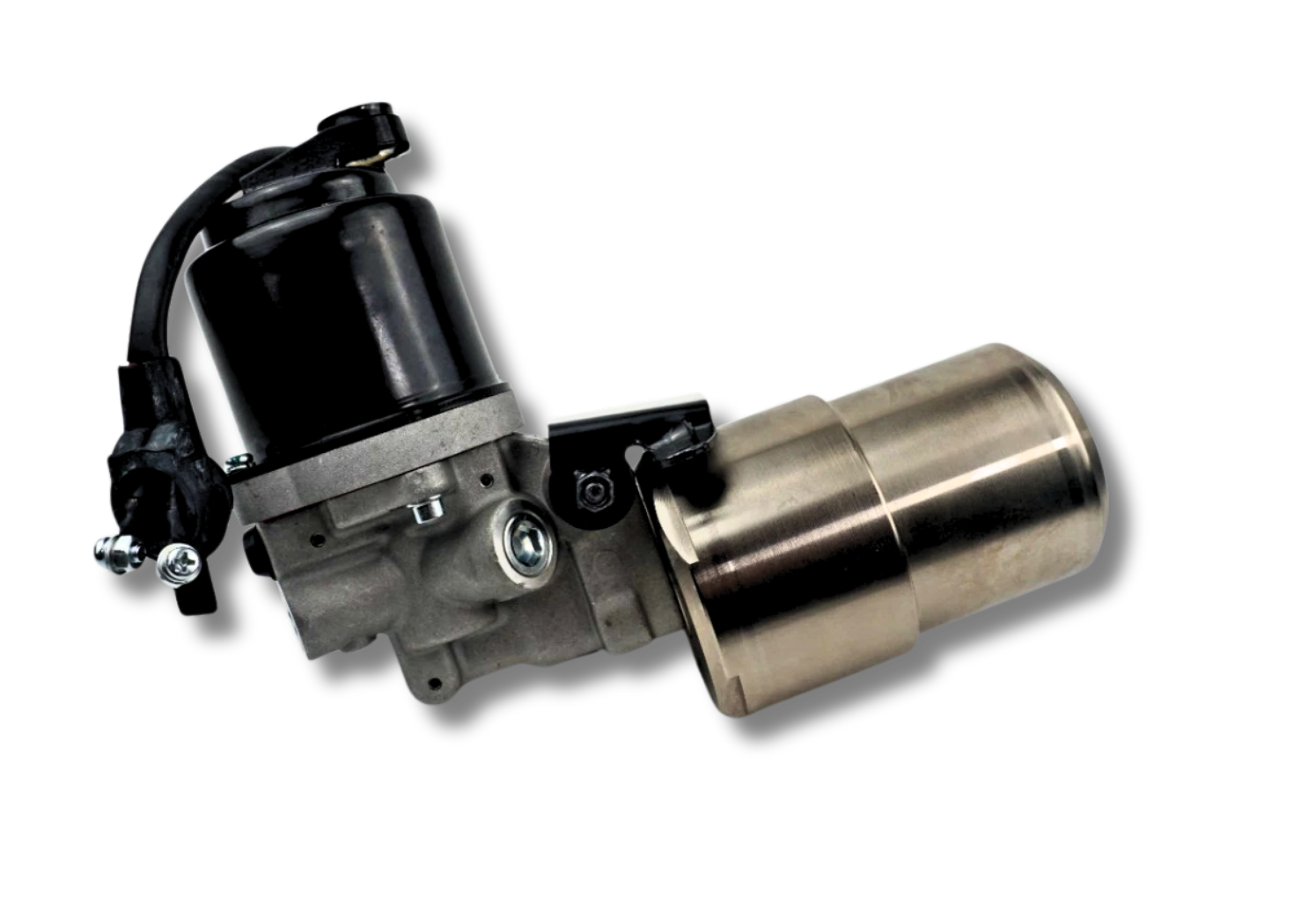
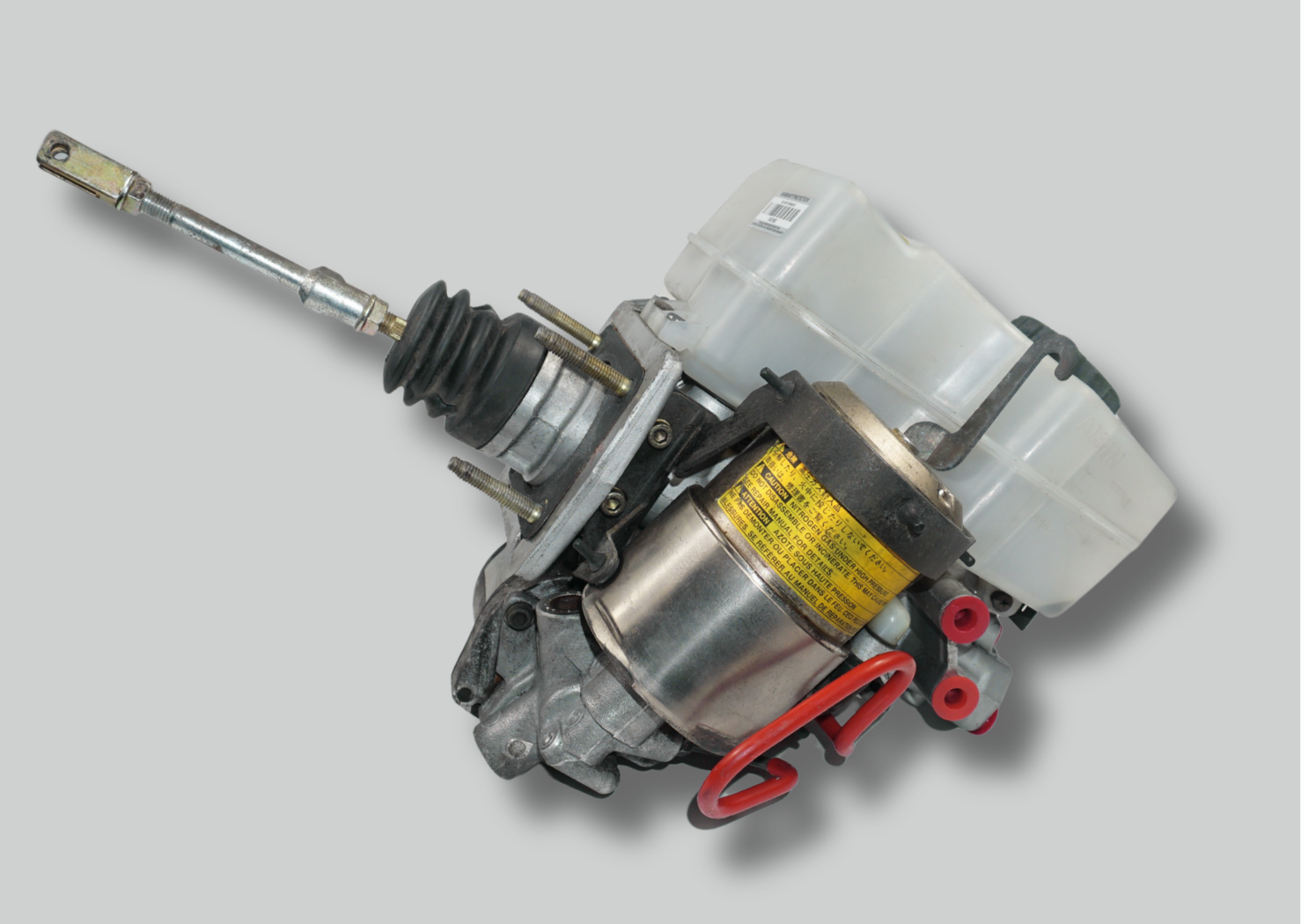
Brake Booster Accumulator Testing & Repair

Safety-critical system. Professional testing. Practical repair route.

Freestorm provides testing and repair support for common brake booster accumulator and hydraulic brake assist faults across a wide range of vehicle makes and models.

If your vehicle has a hard brake pedal, brake warning lights, ABS / VSC / stability control warnings, low accumulator pressure faults or a brake pump that runs too often, we can help assess the unit and manage the repair route where possible.

  • Safety-Critical Support

    Brake booster accumulators are part of the vehicle’s braking assistance system

  • Tested Service

    The unit is assessed before repair is confirmed

  • Repair Where Possible

    A repair route may avoid unnecessary replacement

  • 2-3 Working Days

    Typical turnaround from receipt of the unit, depending on the fault and testing requirements

  • Technical Help

    Support with fault codes, part numbers, symptoms and booking.

What is a brake booster accumulator?

A brake booster accumulator is part of a hydraulic brake assist system. Its job is to store hydraulic pressure so the braking system can provide assisted braking when the brake pedal is pressed.

In many vehicles, especially vehicles with hydraulic brake boosters, hybrid braking systems or integrated ABS / brake actuator units, the accumulator works with a pump, pressure sensor, valves and electronic control unit to maintain the correct brake pressure.

When the accumulator, pump or hydraulic booster system fails, the vehicle may show brake warning lights, ABS / stability control warnings, a hard brake pedal, low pressure faults or repeated pump operation.

A hydraulic accumulator stores pressure for brake assist; some systems use nitrogen-charged accumulators or a pump-controlled pressure reserve.

Why a brake booster accumulator fault should not be ignored

A brake booster accumulator fault can affect braking assistance. Depending on the fault, the vehicle may still brake, but the pedal can become harder, stopping distance may increase, or ABS / stability control functions may be limited. The fault may also trigger dashboard warnings, warning buzzers, repeated brake pump operation or fail-safe mode. Some Toyota / hybrid brake systems, for example, use fault codes such as C1252, C1253, C1256 and C1391 to indicate issues such as pump running too long, low accumulator pressure or abnormal accumulator leak.

Remanufacturing is more than repair

Remanufacturing is a structured industrial process that returns used parts (cores) to reliable working condition through inspection, replacement of worn parts, rebuilding and testing.


Repair / Remanufacture your own unit

Best when:

The original brake booster accumulator or related hydraulic unit can be tested and repaired safely, and the fault is suitable for a repair route.

Benefits:

  • Keeps the original unit from the vehicle
  • May avoid unnecessary replacement of the full brake booster / actuator assembly
  • Can be more cost effective than a new unit
  • May reduce programming or compatibility issues
  • Supports a more sustainable repair route
  • Typical turnaround: approximately 2–3 working days from receipt of the unit
Book Repair

New / Remanufactured replacement unit

Best when:

The original unit is severely damaged, leaking, corroded, burned, physically broken or cannot be repaired safely.

Benefits:

  • Usually higher cost
  • Availability may vary by vehicle model
  • May require coding, calibration or system bleeding after fitting
  • The full brake system must still be checked
  • Replacement may not solve the issue if the fault is caused by wiring, pressure sensor, pump supply, brake fluid contamination or external hydraulic problems
Ask us before replacing

Repair is often the most practical first route, but it depends on the condition of the unit and the fault found during testing. If the unit is too damaged to repair, we will advise on the next step.

Common brake booster accumulator symptoms

Brake booster accumulator faults can appear in several ways. The exact cause may be the accumulator, pump motor, pressure sensor, brake actuator, hydraulic leak, wiring, power supply or control module, so proper diagnosis is required.

Hard brake pedal

The brake pedal becomes very firm or requires more force than normal.

Brake warning light on

The red brake warning light, ABS light, VSC / stability control light or other brake system warning appears on the dashboard.

Brake pump runs too often

The pump may run frequently, for a long time, or make repeated buzzing / motor noises as it tries to maintain pressure.

Low brake pressure fault

Diagnostics may show low accumulator pressure or pressure not building correctly.

Warning buzzer or brake system message

Some vehicles may show a brake warning message or sound a warning buzzer when pressure is low.

Fault returns after clearing

Fault codes may clear temporarily but return after the vehicle is driven or after the brake pedal is pressed.

Reduced brake assist

The vehicle may still stop, but brake assistance can be reduced, making the pedal feel heavy or unsafe

Common fault codes linked to brake booster accumulator problems

Fault codes vary by manufacturer, model and diagnostic tool. The examples below are common references only and should not be treated as a final diagnosis without testing.

C1252 – Brake Booster Pump Motor On Time Abnormally Long

Often linked to the pump running too long while trying to build or maintain pressure.

C1253 – Pump Motor Relay / Pump Motor Circuit Fault

May indicate an issue with pump operation, relay control, wiring or power supply.

C1256 – Accumulator Low Pressure

The system has detected that accumulator pressure is too low or pressure cannot be maintained correctly.

C1391 – Abnormal Leak in Accumulator

Often associated with pressure loss inside the brake booster / accumulator assembly.

ABS / VSC / Brake system communication or pressure-related faults

Some vehicles may store manufacturer-specific faults relating to brake pressure, hydraulic booster operation, pump performance or control module response.

Common Faults We Can Help With

Accumulator pressure loss

The accumulator may no longer hold the correct pressure, causing low pressure faults, warning lights or frequent pump operation.

Pump motor running too often

The pump may run repeatedly or for too long because the system is struggling to build or maintain hydraulic pressure.

Internal hydraulic leakage

Internal leakage can cause pressure to drop even when there is no visible external leak.

Pressure sensor / signal fault

Incorrect pressure readings may cause warning lights, pump operation issues or low pressure fault codes.

Electrical or power supply issues

Low voltage, damaged wiring, relay faults or poor connections can affect pump motor operation and system communication.

ABS / brake actuator related faults

Some accumulator issues are part of a larger integrated brake actuator or hydraulic control unit fault.

Moisture, corrosion or connector damage

Corroded pins, damaged connectors or moisture ingress can cause intermittent faults or loss of communication.

What to do before sending your brake booster accumulator

Before sending the unit, gather as much information as possible. This helps us confirm the correct repair route and avoid delays.

  • Vehicle make, model and year
  • Registration or VIN, if available
  • Part number from the unit label
  • Photo of the unit label
  • Diagnostic fault codes
  • Description of symptoms
  • Whether the brake pedal is hard
  • Whether the pump runs frequently or continuously
  • Whether warning lights or buzzers are present
  • Whether the fault returns after clearing
  • Any recent brake fluid, battery, ABS or hydraulic work

Will the brake booster accumulator need programming?

In many cases, repairing the vehicle’s original unit can help retain the original configuration and may reduce the risk of compatibility issues associated with fitting a used or new replacement unit.

However, programming, calibration or brake bleeding requirements depend on the vehicle, the system design, the fault and the repair carried out. Some vehicles may require diagnostic bleeding, pressure calibration, ABS system checks or coding after refitting.

Quality-led repair process

Brake booster accumulators are safety-critical components, so every repair route must be handled carefully. Freestorm manages the testing and repair process with a focus on clear diagnosis, correct handling, careful packaging, communication and aftercare.

  • Unit details checked before repair route is confirmed
  • Fault symptoms and diagnostic codes reviewed
  • Component-level testing / repair where possible
  • Repair availability depends on unit condition and fault type
  • Return with repair information where applicable
  • Support available after refitting

Typical turnaround

Typical repair route: 2-3 working days from receipt of unit.

Typical turnaround is approximately 2-3 working days from receipt of the unit, depending on the fault, testing requirements, repair complexity, parts availability and courier times.

We will keep you updated if additional time is required.

How the Service Works

  1. Book your repair

    Complete the booking form with your vehicle, part number and fault details.

  2. Send us your unit

    We confirm the next steps and provide delivery instructions. Pack the unit securely and include your booking details.

  3. Testing & Repair

    The unit is tested and repaired where possible.

  4. Return ready for refit

    Your unit is returned with the relevant repair information and warranty details where applicable.

Book ABS Repair

Suitable for many vehicle makes & models

Freestorm can help with ABS faults across many common vehicle makes and models.

  • Lexus
  • Toyota
  • Land Rover
  • BMW
  • Audi
  • Ford
  • Mercedes-Benz
  • Volkswagen
  • Peugeot
  • and more

Frequently asked questions

How long does the repair take?

Typical turnaround is approximately 2–3 working days from receipt of the unit, depending on the fault and testing requirements.

Do I need to send the whole unit?

This depends on the part type. Send us a photo of the unit label or part number and we will confirm what is required.

Can you confirm if my unit is repairable before I send it?

We can often advise based on symptoms, fault codes and part numbers, but final confirmation may require testing.

Is the repair guaranteed?

Warranty terms depend on the part type and repair carried out. We will confirm the applicable warranty before or after the repair assessment.

What information should I provide?

Vehicle make, model, year, registration/VIN if available, part number, fault codes, symptoms and any diagnostic report.

Can I continue driving with a brake booster accumulator fault?

If the brake pedal is hard, warning lights are on, or the vehicle shows low pressure faults, the vehicle should be checked before continued use. Brake assist faults can affect braking performance and should not be ignored.

Will replacing the accumulator clear the fault codes?

Not always. The fault may be caused by the accumulator, pump, pressure sensor, internal hydraulic leak, wiring, power supply or ABS / brake actuator issue. Testing is required to confirm the correct repair route.

Need help with a brake booster accumulator?

Send us your vehicle details, part number, fault codes or symptoms and we will help identify whether brake booster accumulator testing and repair is the right route.