Engine control support. Professional testing. Practical repair route.
Freestorm provides testing and repair support for common engine ECU, engine control module and engine management unit faults across a wide range of vehicle makes and models.
If your vehicle has an engine management light, misfire, non-start issue, cutting out, injector fault, throttle fault, limp mode or no communication with the engine ECU, we can help assess the unit and manage the repair route where possible.
Central controller of the engine management system.
Tested Service
The unit is assessed before repair is confirmed
Repair Where Possible
A repair route may avoid unnecessary replacement of the full ECU.
5-10 Working Days
Typical turnaround from receipt of the unit, depending on the fault and testing requirements
Technical Help
Support with fault codes, part numbers, symptoms and booking.
What is an engine ECU?
The engine ECU controls key engine functions. If it fails, the vehicle may misfire, cut out, enter limp mode, show an engine warning light or fail to start.
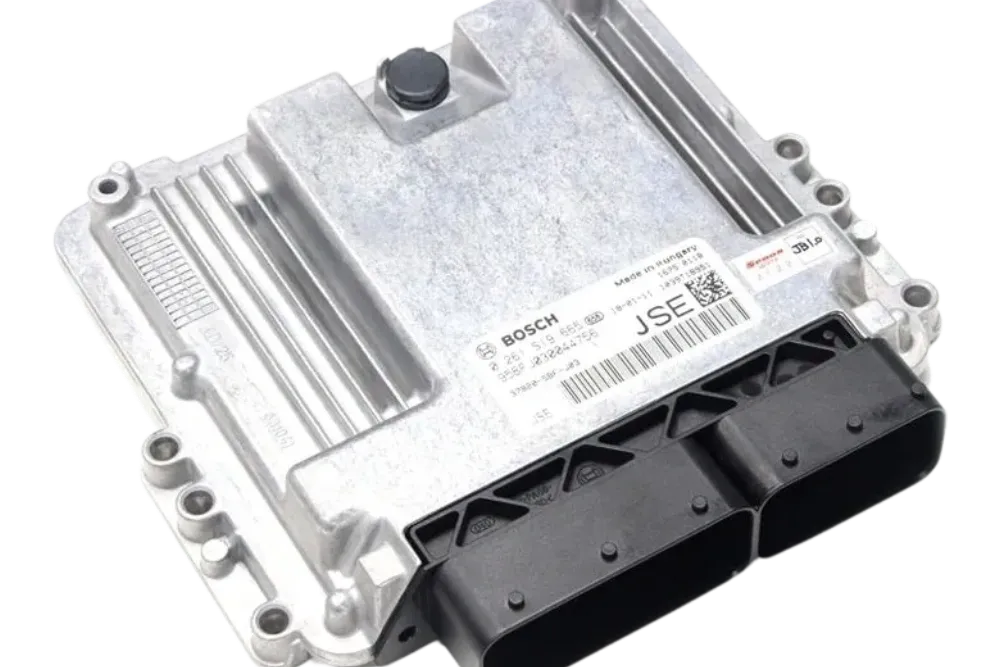
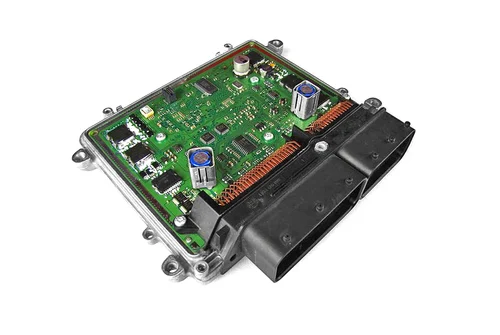
The engine ECU, also known as the engine control unit, engine control module or engine management ECU, is the electronic control unit responsible for managing key engine functions.
It receives information from sensors around the vehicle and uses that information to control engine operation. Depending on the vehicle, the ECU may control or monitor fuel injection, ignition timing, air intake, throttle control, boost control, emissions systems, diagnostics and engine protection functions.
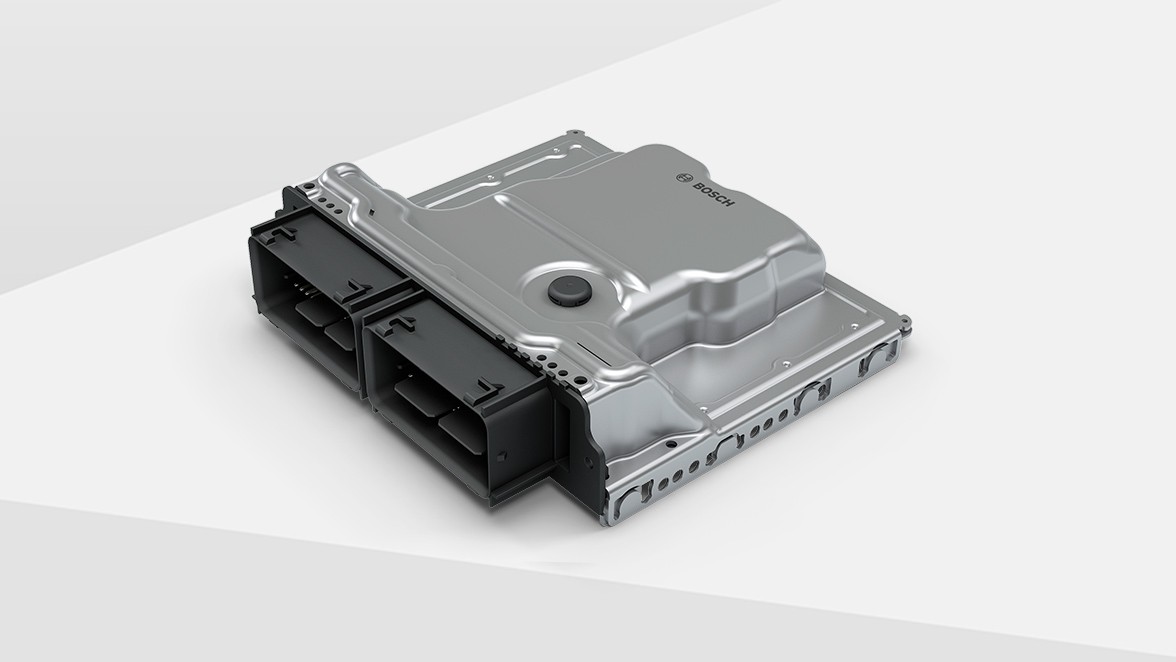
Bosch describes the electronic engine control unit as the “central controller” of the engine management system, controlling areas such as fuel supply, air management, fuel injection and ignition.
When the engine ECU fails, the vehicle may misfire, cut out, enter limp mode, refuse to start, show injector or ignition faults, or fail to communicate with diagnostic equipment.
Why an engine ECU fault should not be ignored
A faulty engine ECU can affect how the engine starts, runs and responds. Depending on the fault, the vehicle may still drive with poor performance, or it may cut out, enter limp mode or fail to start completely.
Because the ECU works with many other systems, similar symptoms can also be caused by wiring, sensors, injectors, ignition coils, throttle bodies, immobiliser issues, fuel supply faults, battery voltage problems or software / coding issues.
Remanufacturing is more than repair
Remanufacturing is a structured industrial process that returns used parts (cores) to reliable working condition through inspection, replacement of worn parts, rebuilding and testing.
Repair / Remanufacture your own unit
Best when:
The original engine ECU can be tested and repaired, and the fault is suitable for a repair route.
Benefits:
Keeps the original unit from the vehicle
May avoid immobiliser, VIN or coding issues
Can be more cost-effective than a brand-new unit
Helps preserve the original vehicle configuration
May avoid fitting a used ECU with unknown history
Typical turnaround: approximately 5-10 working days from receipt of the unit
Repair is often the most practical first route, but it depends on the condition of the ECU and the fault found during testing. If the ECU is too damaged to repair, we will advise on the next step.
Common engine ECU symptoms
Engine ECU faults can appear in several ways. The exact cause may be the ECU, wiring, sensors, injectors, ignition coils, throttle body, immobiliser, fuel system or software, so proper diagnosis is required.
Engine management light on
The check engine light may stay on or return after fault codes are cleared
Misfire or rough running
The engine may misfire on one or more cylinders, run unevenly or feel unstable at idle
No start / non-start
The engine may crank but fail to start, or in some cases may not crank depending on the system fault
Engine cuts out
The vehicle may cut out while driving or fail to restart after cutting out
Limp mode
The ECU may limit engine power to protect the vehicle when it detects a serious fault
No communication with ECU
Diagnostic equipment may not communicate with the engine control unit
Injector or ignition faults
Fault codes may point to injector circuits, ignition coil circuits or cylinder-specific misfires
Throttle response issues
The vehicle may have poor throttle response, limited acceleration or throttle-related fault codes
Common fault codes linked to engine ECU problems
Fault codes vary by manufacturer, model, ECU type and diagnostic tool. The examples below are common references only and should not be treated as a final diagnosis without testing.
P0601 – Internal Control Module Memory Check Sum Error
May indicate an internal ECU memory or control module fault.
P0606 – ECM / PCM Processor Fault
Often linked to internal engine ECU or processor-related failure. ECU Testing lists Volkswagen P0606 as one of its engine ECU fault examples.
P0607 – Control Module Performance
May indicate ECU internal performance or control module operation issues.
P062B – Internal Control Module Fuel Injector Control Performance
Can be linked to injector control faults inside the ECU or related wiring / injector issues.
P0612 – Fuel Injector Control Module Relay Control
Can appear with certain ECU or injector control faults. ECU Testing lists Continental VD56.1 ECU issues causing P0612 on some Stellantis applications.
P0651 – Sensor Reference Voltage “B” Circuit Open
May indicate ECU reference voltage, wiring, sensor or internal ECU supply issues. ECU Testing lists Volkswagen ECU faults causing P0651 among its examples.
May indicate injector circuit issues, wiring faults or ECU injector driver failure.
U0100 – Lost Communication With ECM / PCM
The vehicle cannot communicate correctly with the engine ECU.
What to do before sending your engine ECU unit
Before sending the unit, gather as much information as possible. This helps us confirm the correct repair route and avoid delays.
Vehicle make, model and year
Registration or VIN, if available
Engine size
Part number
Photo of the unit label
Diagnostic fault codes / report
Description of symptoms
Whether the vehicle starts or does not start
Whether the fault happens hot, cold or all the time
Whether the fault returns after clearing
Any recent battery, jump-start, wiring, injector, coil, throttle body or fuel system work
Any previous ECU replacement, coding or remapping history
Will the engine ECU need programming?
Programming requirements depend on the vehicle, ECU type and repair carried out. In many cases, repairing the vehicle’s original ECU can help retain the original coding, immobiliser data and vehicle configuration. This may avoid the additional coding, cloning, VIN programming or immobiliser matching that is often required when fitting a brand-new or used replacement ECU. Original unit repaired where possible = usually simpler refit route. Replacement ECUs may require coding, cloning, immobiliser matching, VIN programming or dealer-level diagnostic procedures.
Quality-led repair process
Engine ECUs are complex electronic control units, so every repair route must be handled carefully.
Unit details checked before repair route is confirmed
Fault symptoms and diagnostic codes reviewed
Testing / repair where possible
Repair availability depends on unit condition and fault type
Return with repair information where applicable
Support available after refitting
Typical turnaround
Typical repair route: 5-10 working days from receipt of unit.
Typical turnaround is approximately 5-10 working days from receipt of the unit, depending on the fault, testing requirements, repair complexity, parts availability and courier times.
We will keep you updated if additional time is required.
How the Service Works
1
Book your repair
Complete the booking form with your vehicle, part number and fault details.
2
Send us your unit
We confirm the next steps and provide delivery instructions. Pack the unit securely and include your booking details.
3
Testing & Repair
The unit is tested and repaired where possible. If the fault or condition means repair is not suitable, we will advise.
4
Return ready for refit
Your unit is returned with the relevant repair information and warranty details where applicable.
Freestorm can help with ABS faults across many common vehicle makes and models.
Audi
BMW
Ford
Mercedes-Benz
Volkswagen
Peugeot
Chery
Toyota
Volvo
and more
Frequently asked questions
How long does the repair take?
Typical turnaround is approximately 5-10 working days from receipt of the unit, depending on the fault and testing requirements.
Do I need to send the whole unit?
This depends on the vehicle and ECU type. In most cases, the engine ECU is removed and sent separately. Send us a photo of the ECU label or part number and we will confirm what is required.
Can you confirm if my unit is repairable before I send it?
We can often advise based on symptoms, fault codes and part numbers, but final confirmation may require testing.
Is the repair guaranteed?
Warranty terms depend on the part type and repair carried out. We will confirm the applicable warranty before or after the repair assessment.
What information should I provide?
Vehicle make, model, year, registration/VIN if available, part number, fault codes, symptoms and any diagnostic report.
Can an ECU fault cause a no-start condition?
Yes. A faulty engine ECU can cause a crank no-start, intermittent non-start, cutting out or complete loss of engine control, depending on the vehicle and fault type.
Does a misfire always mean the ECU is faulty?
No. Misfires can also be caused by spark plugs, ignition coils, injectors, compression issues, wiring, fuel supply or sensor faults. ECU testing is required before confirming the ECU as the cause.
Will the ECU need coding after repair?
This depends on the vehicle and repair route. Repairing the original ECU may help retain the original coding and immobiliser data, but some vehicles may still require diagnostic checks, adaptations or coding after refitting.
Need help with an engine ECU fault?
Send us your vehicle details, ECU part number, fault codes or symptoms and we will help identify whether engine ECU testing and repair is the right route.